
Meta Ads vs Google Ads: Which One Is Better for Your Business?
In the world of digital marketing, paid advertising plays a crucial role in helping businesses reach their target audience quickly and effectively. Among the many advertising platforms available today, Meta Ads and Google Ads stand out as the two most powerful and widely used options.
Both platforms offer unique advantages, and both can deliver excellent results when used correctly. However, many beginners and business owners often ask the same question: Which one is better—Meta Ads or Google Ads?
The truth is, there is no single “best” platform for everyone. The right choice depends on your business goals, target audience, budget, and marketing strategy. This blog will help you understand how both platforms work, their differences, and how to choose the right one for your business.
⸻
What Are Meta Ads?
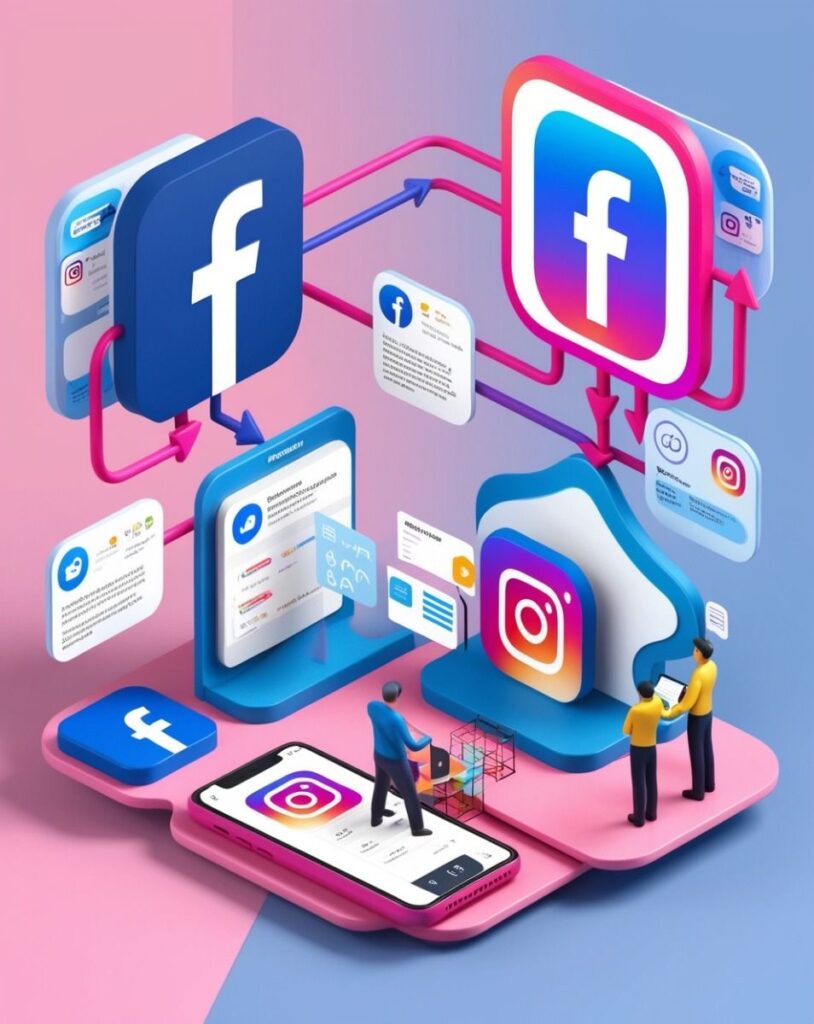
Meta Ads are paid advertisements that run across platforms owned by Meta, including:
• Messenger
• Audience Network
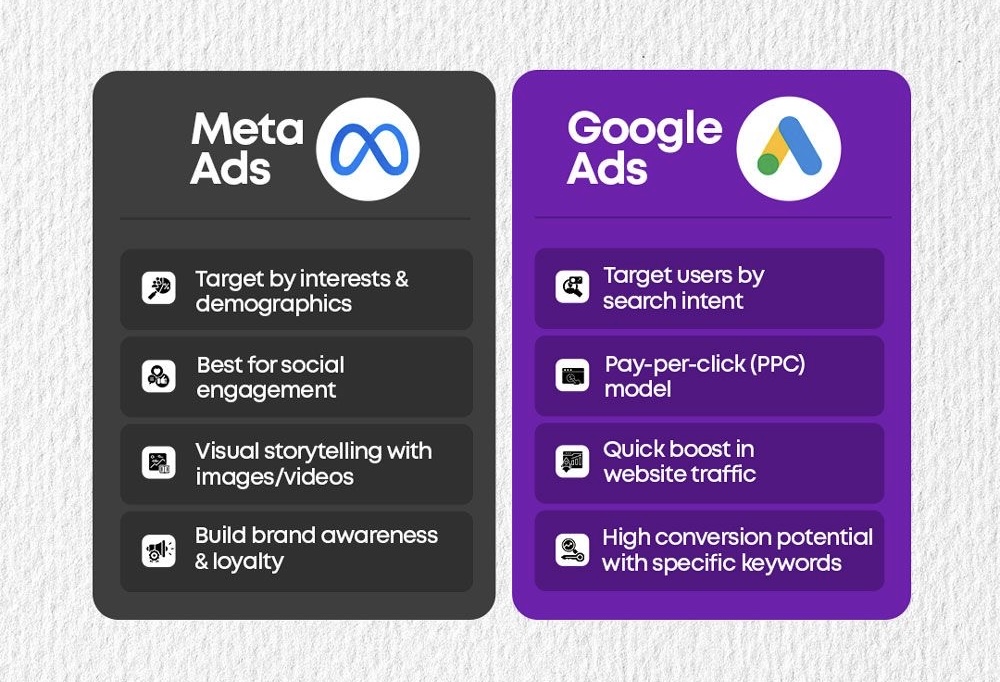
Meta Ads focus on audience interests, behaviors, demographics, and engagement patterns. Instead of targeting users based on what they search for, Meta Ads show content to users based on who they are and what they like.
These ads appear in:
• News feeds
• Stories
• Reels
• Explore sections
Meta Ads are highly visual and work best with strong creatives and compelling storytelling.
⸻
What Are Google Ads?
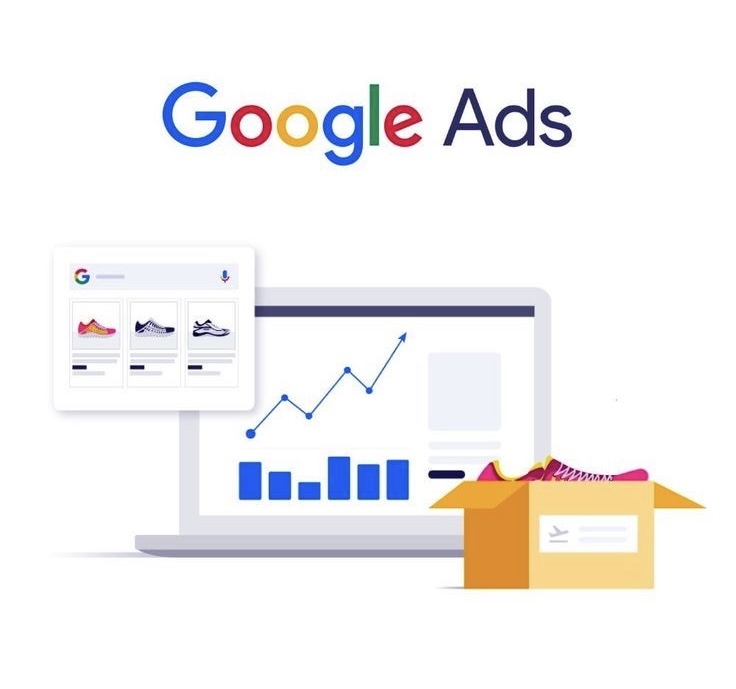
Google Ads are paid advertisements that appear on:
• Google Search results
• Google Display Network
• YouTube
• Partner websites
Google Ads primarily target users based on search intent. This means ads are shown to people who are actively searching for a product, service, or solution.
For example, when someone searches for “best digital marketing course near me,” Google Ads allow businesses to appear at the top of the search results.
Google Ads are powerful because they capture users at the moment they are ready to take action.
⸻
Key Difference: Intent vs Interest
The biggest difference between Meta Ads and Google Ads lies in how users are targeted.
Meta Ads: Interest-Based Marketing
• Targets users based on interests, behavior, age, location, and preferences
• Creates demand by showing ads to people who may not be actively searching
• Best for brand awareness and engagement
Google Ads: Intent-Based Marketing
• Targets users actively searching for specific keywords
• Captures demand that already exists
• Best for lead generation and sales
Understanding this difference is essential when choosing the right platform.
⸻
Meta Ads: Strengths and Benefits
1. Powerful Audience Targeting
Meta Ads allow businesses to target users based on:
• Interests
• Online behavior
• Demographics
• Engagement with previous content
This makes Meta Ads highly effective for reaching the right audience even if they are not actively searching for your product.
⸻
2. Ideal for Brand Awareness
Meta Ads are excellent for building brand visibility and recognition. Visual content such as images, videos, and reels help brands tell their story and connect emotionally with users.
For new businesses, Meta Ads are a great way to introduce the brand to a wider audience.
⸻
3. Strong Creative Opportunities
Meta Ads focus heavily on visuals and creativity. Brands can experiment with:
• Videos
• Carousel ads
• Story ads
• Reel ads
Creative storytelling helps capture attention and improve engagement.
⸻
4. Cost-Effective for Awareness Campaigns
Compared to search ads, Meta Ads are often more affordable for reaching a large audience. This makes them suitable for businesses with limited budgets.
⸻
Google Ads: Strengths and Benefits
1. High-Intent Traffic
Google Ads target users who are already searching for solutions. This means the chances of conversion are higher because users have clear intent.
This makes Google Ads ideal for:
• Lead generation
• Sales-focused campaigns
• Service-based businesses
⸻
2. Immediate Visibility
With Google Ads, businesses can appear at the top of search results instantly. This is especially useful for new websites that do not yet rank organically.
⸻
3. Wide Reach Across Platforms
Google Ads do not only appear on search results. They also appear on:
• YouTube
• Websites across the Google Display Network
This helps businesses reach users at different stages of the customer journey.
⸻
4. Measurable and Scalable Results
Google Ads provide detailed performance data, including:
• Click-through rates
• Conversion rates
• Cost per lead
This allows businesses to optimize campaigns and scale successful ones.
⸻
Meta Ads vs Google Ads: Feature Comparison
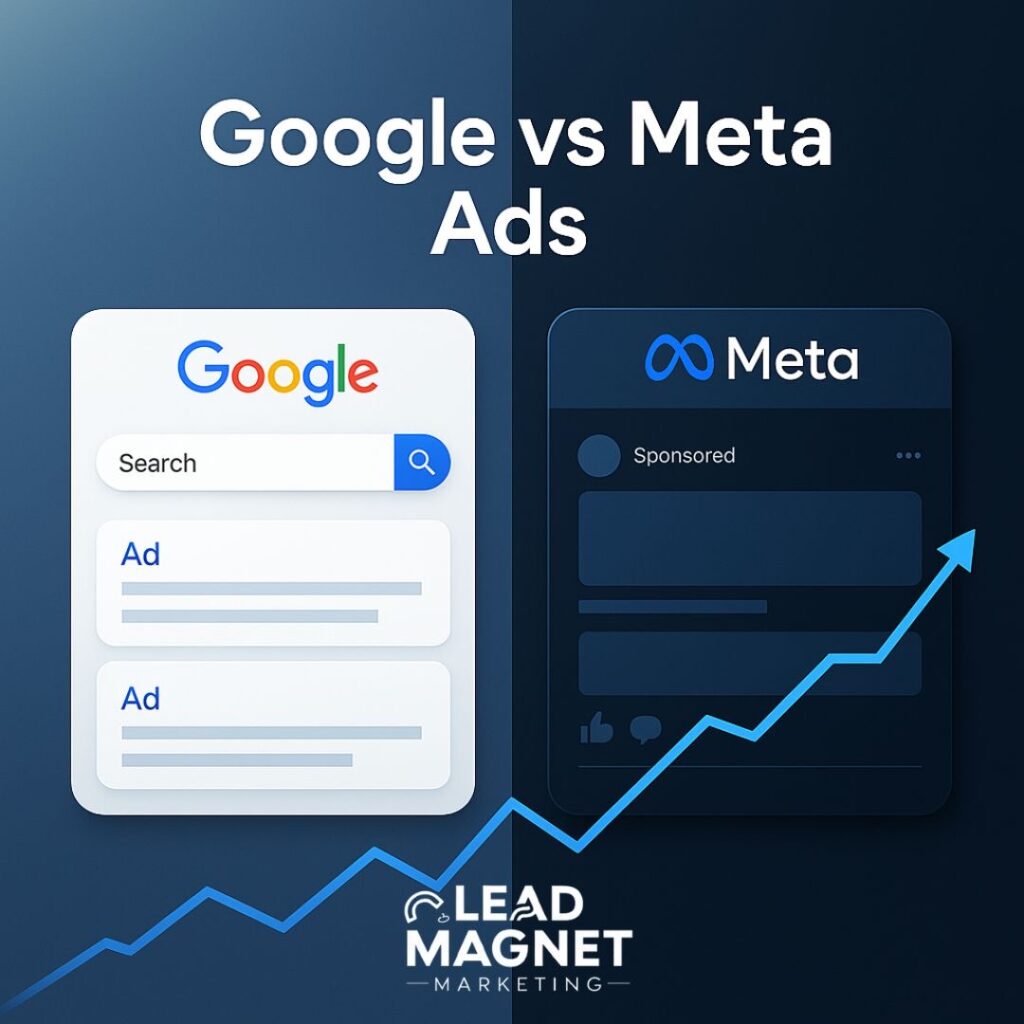
Targeting Method
• Meta Ads: Interest and behavior-based
• Google Ads: Keyword and intent-based
Best For
• Meta Ads: Brand awareness, engagement, remarketing
• Google Ads: Leads, sales, high-intent conversions
Content Type
• Meta Ads: Visual and creative content
• Google Ads: Text-based search ads and video ads
User Mindset
• Meta Ads: Passive browsing
• Google Ads: Active searching
⸻
Which Platform Is Better for Brand Awareness?
Meta Ads are generally better for brand awareness. Since users are scrolling through social media, visually appealing ads can easily capture attention.
Brands can:
• Introduce products
• Build recognition
• Create emotional connections
For startups and new brands, Meta Ads are often the first step in paid advertising.
⸻
Which Platform Is Better for Leads and Sales?
Google Ads are more effective for lead generation and sales. Since users are actively searching for solutions, they are more likely to convert.
Service-based businesses, local businesses, and B2B companies often benefit more from Google Ads.
⸻
Using Meta Ads and Google Ads Together
In many cases, the best strategy is not choosing one over the other, but using both together.
Example Funnel Strategy
• Use Meta Ads to build awareness and engagement
• Retarget interested users using Meta Ads
• Use Google Ads to capture high-intent searches
This combined approach maximizes reach and conversions.
⸻
Budget Considerations
Meta Ads Budget
• Flexible and beginner-friendly
• Suitable for small budgets
• Good for testing creatives
Google Ads Budget
• Often higher cost per click
• Requires careful keyword selection
• Higher return for high-intent campaigns
Budget allocation should align with campaign goals.
⸻
Common Mistakes to Avoid
• Running ads without clear goals
• Using the same strategy for both platforms
• Ignoring creatives in Meta Ads
• Targeting broad keywords in Google Ads
• Not tracking conversions
Avoiding these mistakes improves performance on both platforms.
⸻
Choosing the Right Platform for Your Business
Ask yourself:
• Do I want awareness or immediate leads?
• Is my audience actively searching for my product?
• Do I have strong visual content?
• What is my budget?
Your answers will help determine the right platform.
⸻
Meta Ads and Google Ads as Skills
Learning both Meta Ads and Google Ads is valuable for digital marketers. Each platform teaches different skills:
• Audience psychology
• Keyword research
• Creative testing
• Data analysis
Together, they form a strong foundation in paid advertising.
⸻
Conclusion
Both Meta Ads and Google Ads are powerful advertising platforms, but they serve different purposes. Meta Ads are excellent for building brand awareness, engagement, and visibility, while Google Ads are ideal for capturing high-intent leads and driving conversions.
The best platform depends on your business goals, audience, and budget. In many cases, using both platforms together creates the most effective digital marketing strategy.
Understanding the strengths of each platform allows businesses to make informed decisions and achieve better marketing results in the long run.
⸻