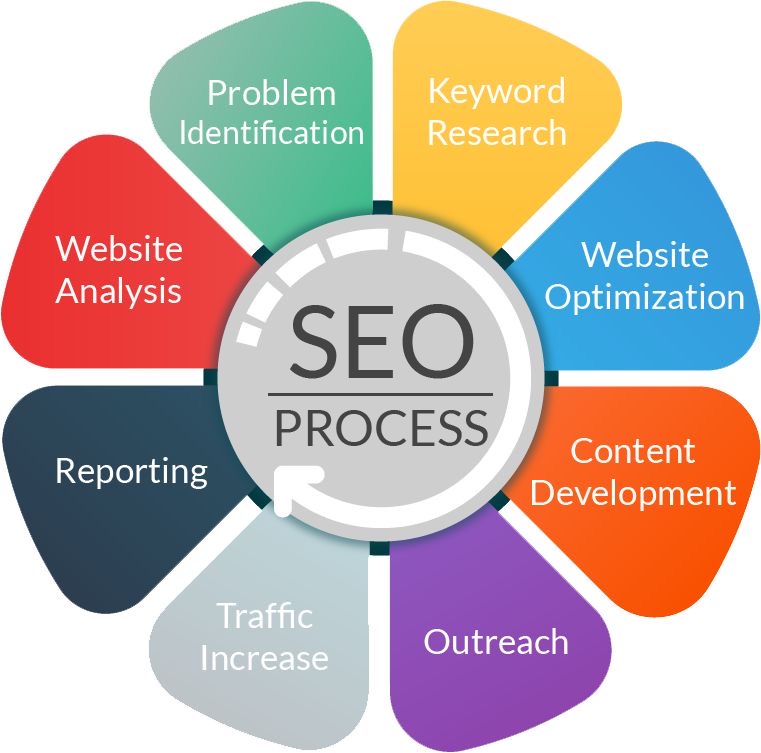
Beginner’s Guide to SEO: How Search Engines Rank Content
In today’s digital world, having a website is not enough. Millions of websites exist on the internet, but only a small percentage appear on the first page of search engines like Google. This is where Search Engine Optimization (SEO) plays a crucial role.
SEO helps websites rank higher on search engines, making them more visible to users who are actively searching for information, products, or services. For beginners, SEO may seem complex, but once you understand the basics, it becomes one of the most powerful tools for building a strong online presence.
⸻

What Is SEO?
SEO (Search Engine Optimization) is the process of optimizing a website and its content to improve its visibility on search engine results pages (SERPs). The main goal of SEO is to attract organic (non-paid) traffic from search engines.
SEO focuses on understanding:
• What users are searching for
• Which keywords they use
• What type of content they prefer
• How search engines evaluate and rank content
When done correctly, SEO helps websites appear higher in search results, leading to more traffic, trust, and credibility.
⸻
Why SEO Is Important in 2025
1. Search Engines Are the Primary Source of Traffic
Most online experiences begin with a search engine. Whether someone is looking for information, reviews, or solutions, Google is usually the first step.
If your website does not appear on search results, you miss out on valuable traffic and opportunities.
⸻
2. Builds Trust and Credibility
Users tend to trust websites that appear on the first page of Google. Ranking high signals authority and relevance.
SEO helps establish your website as a credible and reliable source of information.
⸻
3. Cost-Effective Long-Term Strategy
Unlike paid ads, SEO provides long-term results. Once your content ranks well, it can generate traffic for months or even years without additional cost.
⸻
How Search Engines Work
To understand SEO, it is important to know how search engines work. Search engines like Google use three main processes:
1. Crawling
Search engines use bots (called crawlers or spiders) to discover new and updated content on the web.
2. Indexing
Once content is found, it is stored and organized in a massive database called an index.
3. Ranking
When a user searches for something, search engines analyze indexed pages and rank them based on relevance and quality.
SEO focuses on optimizing content to perform well in all three stages.
⸻
How Search Engines Rank Content
Search engines use complex algorithms to rank content. While the exact formula is not public, several known factors influence rankings.
⸻
1. Keyword Research: The Foundation of SEO
Keywords are the words or phrases users type into search engines. Keyword research helps identify what your target audience is searching for.
Why Keyword Research Matters
• Helps create relevant content
• Improves search visibility
• Attracts the right audience
For beginners, focus on:
• Long-tail keywords (more specific phrases)
• Search intent (what the user wants)
Example:
Instead of targeting “SEO,” a beginner-friendly keyword could be “SEO basics for beginners.”
⸻
2. Search Intent: Understanding User Needs
Search intent refers to the reason behind a search query. It can be:
• Informational (learning something)
• Navigational (finding a website)
• Transactional (buying something)
Search engines prioritize content that best matches the user’s intent. Creating content that solves user problems increases ranking chances.
⸻
3. Quality Content: The Heart of SEO
Content quality is one of the most important ranking factors.
Good SEO content should:
• Be informative and valuable
• Answer user questions clearly
• Be easy to read and well-structured
• Be original and unique
In 2025, search engines prioritize helpful, user-focused content over keyword-stuffed articles.
⸻
4. On-Page SEO Factors
On-page SEO refers to optimizations made directly on a webpage.
Important On-Page SEO Elements
Title Tags
The title of a page should include the main keyword and be engaging.
Meta Descriptions
A short summary that encourages users to click on your link.
Headings (H1, H2, H3)
Headings help organize content and improve readability.
Keyword Placement
Keywords should appear naturally in:
• Headings
• Content
• URLs
Avoid keyword stuffing, as it can harm rankings.
⸻
5. Technical SEO Basics
Technical SEO ensures that search engines can easily access and understand your website.
Key technical factors include:
• Website speed
• Mobile-friendliness
• Secure website (HTTPS)
• Proper URL structure
A technically sound website improves user experience and rankings.
⸻
6. User Experience (UX) and SEO
Search engines prioritize websites that offer a good user experience.
Important UX factors:
• Fast loading pages
• Easy navigation
• Mobile responsiveness
• Clear layout
If users leave your website quickly, it signals poor experience, which can affect rankings.
⸻
7. Backlinks: Building Authority
Backlinks are links from other websites pointing to your site. They act as votes of confidence.
High-quality backlinks:
• Improve domain authority
• Increase trust
• Boost rankings
Beginners should focus on creating valuable content that naturally earns backlinks.
⸻
8. Mobile SEO in 2025
With most users browsing on mobile devices, mobile optimization is essential.
Search engines use mobile-first indexing, meaning they evaluate the mobile version of your website first.
A mobile-friendly site improves both rankings and user experience.
⸻
9. Content Freshness and Updates
Regularly updating content signals relevance to search engines.
Updating blogs with:
• New information
• Updated examples
• Improved structure
can help maintain or improve rankings over time.
⸻
10. Role of AI in SEO
AI has transformed SEO by improving:
• Keyword analysis
• Content optimization
• Search intent understanding
However, human creativity and strategy are still essential. AI should support SEO, not replace it.
⸻
Common SEO Mistakes Beginners Should Avoid
• Keyword stuffing
• Ignoring mobile optimization
• Creating low-quality content
• Not tracking performance
• Expecting instant results
SEO is a long-term process that requires patience and consistency.
⸻
SEO as a Skill and Career Opportunity
SEO is one of the most in-demand digital marketing skills. Businesses rely on SEO to drive organic growth.
SEO offers opportunities in:
• Content marketing
• Website optimization
• Digital strategy
Learning SEO basics is a valuable investment for beginners.
⸻
Conclusion
SEO is a powerful tool for building a strong online presence. By understanding how search engines rank content, beginners can create optimized websites that attract organic traffic and build credibility.
In 2025, SEO is more user-focused than ever. Websites that prioritize quality content, good user experience, and relevance are rewarded with better rankings.
For anyone starting their digital journey, learning SEO basics is an essential step toward long-term success.
⸻