The Power of Social Media Management for Brand Growth
In today’s digital world, social media has become an essential part of everyday life. Millions of people use platforms like Instagram, Facebook, LinkedIn, and Twitter not just for entertainment, but also to discover brands, research products, and connect with businesses. For brands, social media is no longer just an option—it is a necessity.
However, social media success is not just about posting photos or videos. Effective social media management involves strategy, consistency, creativity, and data-driven decisions. When done right, social media management can significantly contribute to brand growth, customer trust, and long-term success.
⸻
What Is Social Media Management?
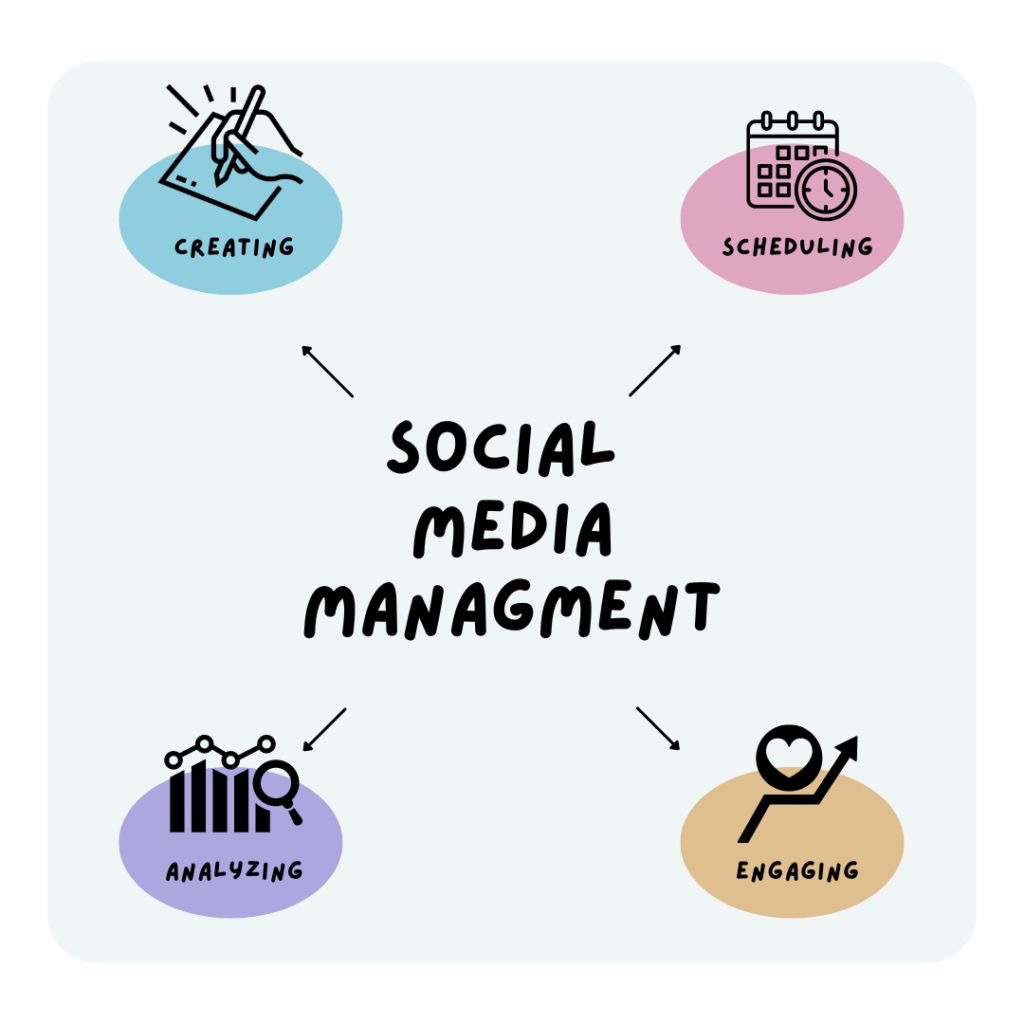
Social media management is the process of planning, creating, publishing, analyzing, and engaging with content on social media platforms. It involves managing a brand’s online presence while maintaining a consistent identity and voice.
Key elements of social media management include:
• Content planning and scheduling
• Audience engagement and communication
• Performance tracking and analytics
• Brand reputation management
• Continuous optimization
In 2025, social media management is more strategic than ever, focusing on building relationships rather than just gaining followers.
⸻
Why Social Media Is Important for Brands Today
1. Social Media Is Where Your Audience Is
Consumers spend a significant amount of time on social media every day. From scrolling through Instagram reels to checking Facebook updates, people are constantly engaging with content.
If a brand is not present on social media, it misses the opportunity to:
• Be discovered by new audiences
• Stay connected with existing customers
• Influence purchasing decisions
Social media platforms act as digital storefronts for brands.
⸻
2. Builds Strong Brand Awareness
Brand awareness is the foundation of brand growth. Social media allows businesses to showcase their personality, values, and offerings in a creative way.
Through consistent posting and visual storytelling, brands can:
• Increase recognition
• Stay top-of-mind
• Create a unique brand identity
Over time, audiences begin to recognize and trust brands they see regularly.
⸻
Role of Content Planning in Social Media Management
Content planning is one of the most important aspects of social media management. Random posting without a plan often leads to inconsistent results.
Why Content Planning Matters
• Ensures consistent posting
• Aligns content with business goals
• Saves time and effort
• Improves engagement
A well-structured content calendar includes a mix of:
• Educational content
• Promotional content
• Entertaining content
• Engagement-driven content
This balance keeps audiences interested and engaged.
⸻
Audience Engagement: Building Real Connections
Social media is a two-way communication channel. Brands that only post content but never interact with their audience miss a major opportunity.
Ways to Improve Audience Engagement
• Replying to comments and messages
• Running polls and Q&A sessions
• Encouraging user-generated content
• Hosting giveaways and contests
Engagement builds emotional connections and strengthens brand loyalty. When customers feel heard, they are more likely to trust and support a brand.
⸻
Importance of Consistency in Social Media
Consistency is key to social media success. Posting irregularly or changing brand tone frequently can confuse audiences.
Consistency includes:
• Posting frequency
• Visual identity (colors, fonts, style)
• Brand voice and messaging
A consistent presence builds familiarity and reliability, which are essential for brand growth.
⸻
Using Analytics to Improve Performance
Analytics help brands understand what works and what doesn’t. Social media platforms provide insights into:
• Reach and impressions
• Engagement rates
• Follower growth
• Content performance
By analyzing this data, brands can:
• Optimize content strategy
• Improve posting times
• Refine messaging
Data-driven social media management leads to better results over time.
⸻

Social Media Platforms and Their Impact
Ideal for visual content, reels, and brand storytelling. Great for engagement and brand building.
Effective for community building, ads, and sharing detailed content.
Best for professional branding and B2B marketing.
Each platform requires a unique approach, and effective social media management adapts strategies accordingly.
⸻
How Social Media Builds Trust and Credibility
Trust plays a crucial role in customer decision-making. Social media helps build trust by:
• Sharing authentic content
• Showcasing customer testimonials
• Posting behind-the-scenes content
• Maintaining transparency
Brands that appear genuine and consistent are more likely to gain loyal customers.
⸻
Social Media Management and Business Growth
Increased Website Traffic
Social media drives users to websites, blogs, and landing pages.
Higher Conversion Rates
Engaged audiences are more likely to convert into leads or customers.
Customer Feedback and Insights
Brands can directly understand customer needs and preferences through social media interactions.
⸻

Role of Paid Ads in Social Media Management
Organic growth takes time, but paid ads can accelerate results. Platforms like Meta Ads help brands:
• Reach targeted audiences
• Increase brand visibility
• Generate leads and sales
When combined with organic content, paid ads strengthen overall social media strategy.
⸻
Common Mistakes in Social Media Management
• Posting without a strategy
• Ignoring analytics
• Inconsistent branding
• Not engaging with followers
Avoiding these mistakes helps brands grow more effectively.
⸻
Social Media Management as a Career Opportunity
With businesses investing heavily in social media, skilled social media managers are in high demand. This role requires creativity, strategic thinking, and analytical skills.
Social media management offers long-term career growth and learning opportunities.
⸻
Future of Social Media Management
In 2025 and beyond, social media management will focus more on:
• Personalized content
• AI-driven insights
• Short-form video content
• Community building
Brands that adapt to these trends will stay ahead of the competition.
⸻
Conclusion
Social media management plays a powerful role in brand growth. It goes beyond posting content and focuses on strategy, engagement, consistency, and analytics.
A well-managed social media presence builds trust, increases brand awareness, and creates meaningful connections with audiences. In today’s digital era, brands that invest in effective social media management are setting themselves up for long-term success.