What Is Digital Marketing and Why Is It Important in 2025?
In today’s fast-paced digital world, the way businesses connect with customers has completely changed. Traditional marketing methods like newspapers, billboards, and television ads are no longer enough on their own. This shift has given rise to digital marketing, which has become one of the most powerful tools for business growth.
As we move into 2025, digital marketing is no longer optional—it is essential. Whether it is a small local business or a global brand, everyone needs a strong digital presence to stay relevant and competitive.
⸻
What Is Digital Marketing?
Digital marketing is the promotion of products or services using online platforms and digital channels such as:
• Social media platforms (Instagram, Facebook, LinkedIn, etc.)
• Search engines like Google
• Websites and blogs
• Email marketing
• Paid advertising (Google Ads, Meta Ads)
• Mobile apps and digital media
Unlike traditional marketing, digital marketing allows businesses to reach the right audience at the right time using data, technology, and targeted strategies.
Digital marketing focuses on understanding customer behavior, preferences, and online activity to deliver personalized and meaningful content.
⸻
Evolution of Digital Marketing
Digital marketing has evolved significantly over the past decade. Earlier, businesses only focused on having a website or running simple ads. Today, digital marketing includes advanced strategies such as:
• AI-powered content creation
• Data-driven marketing decisions
• Personalized user experiences
• Performance tracking and optimization
In 2025, digital marketing is smarter, faster, and more customer-focused than ever before.
⸻
Why Digital Marketing Is Important in 2025
1. People Spend More Time Online Than Ever
With smartphones, social media, and online shopping becoming a part of daily life, consumers now spend a major portion of their time online. From searching for products to reading reviews and making purchases, everything starts on the internet.
If a business is not visible online, it is likely losing potential customers to competitors who are.
⸻
2. Digital Marketing Helps Reach the Right Audience
One of the biggest advantages of digital marketing is targeting. Businesses can target users based on:
• Age
• Location
• Interests
• Online behavior
• Search intent
For example, with Meta Ads and Google Ads, businesses can show ads only to people who are most likely to be interested in their product or service. This increases efficiency and reduces wasted marketing spend.
⸻
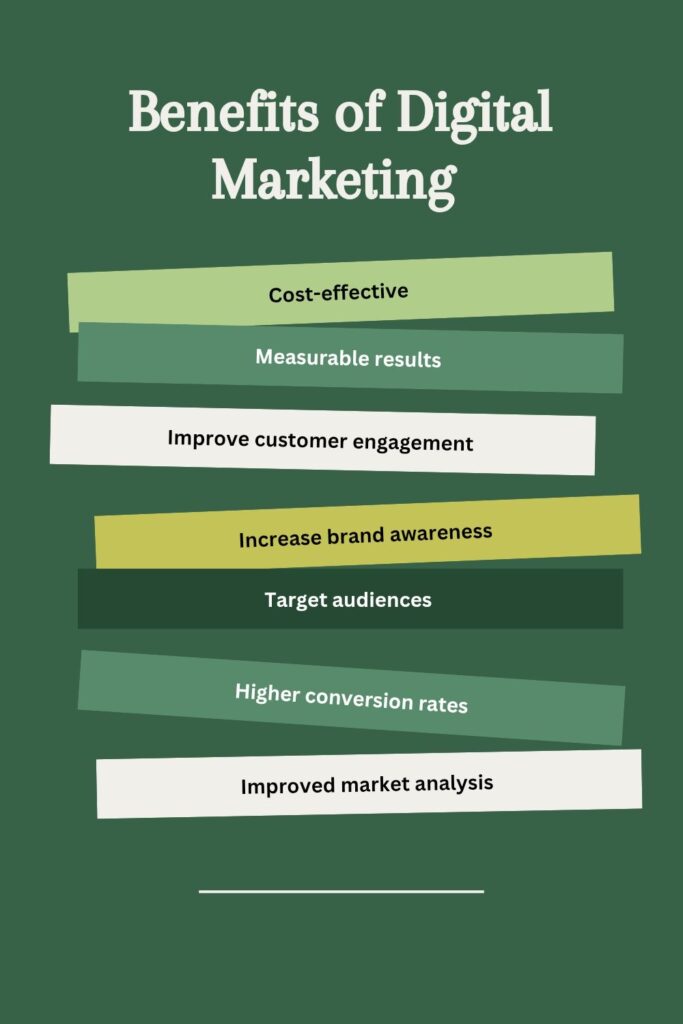
3. Cost-Effective Compared to Traditional Marketing
Traditional advertising methods like TV commercials or newspaper ads are expensive and often do not guarantee results.
Digital marketing, on the other hand:
• Allows flexible budgets
• Works for small and large businesses
• Provides better return on investment (ROI)
Even small businesses and startups can compete with larger brands by using smart digital strategies.
⸻
4. Measurable and Data-Driven Results
One of the strongest benefits of digital marketing is measurability. Businesses can track:
• Website traffic
• Click-through rates
• Conversions
• Engagement
• Ad performance
Tools like Google Analytics and Meta Ads Manager provide real-time insights, helping marketers understand what is working and what needs improvement.
This data-driven approach helps in making better marketing decisions.
⸻
Key Components of Digital Marketing
1. Social Media Marketing
Social media platforms are powerful tools for building brand awareness and engagement. Businesses use platforms like Instagram and Facebook to:
• Share valuable content
• Connect with audiences
• Promote products and services
• Build trust and brand loyalty
Effective social media management requires consistent posting, creative content, and audience engagement.
⸻
2. Search Engine Optimization (SEO)
SEO helps websites rank higher on search engines like Google. When users search for information, products, or services, SEO ensures that relevant content appears at the top.
SEO includes:
• Keyword research
• On-page optimization
• Content creation
• Technical optimization
In 2025, SEO remains one of the most important long-term digital marketing strategies.
⸻
3. Paid Advertising (Google Ads & Meta Ads)
Paid advertising allows businesses to get instant visibility.
• Google Ads target users actively searching for solutions.
• Meta Ads focus on audience interests and behavior.
Both platforms help businesses generate leads, increase sales, and boost brand awareness when used correctly.
⸻
4. Content Marketing
Content is the backbone of digital marketing. Blogs, videos, reels, infographics, and emails help educate and engage audiences.
Good content:
• Builds trust
• Improves SEO
• Supports social media and ads
• Positions brands as experts
In 2025, quality and value-driven content is more important than ever.
⸻
5. AI in Digital Marketing
Artificial Intelligence has transformed the digital marketing landscape. AI helps in:
• Content creation
• Ad optimization
• Data analysis
• Customer personalization
AI-powered tools improve productivity and allow marketers to create better strategies in less time.
⸻
Benefits of Digital Marketing for Businesses
Increased Brand Visibility
A strong digital presence ensures that customers can easily find and recognize a brand online.
Better Customer Engagement
Digital platforms allow two-way communication between brands and customers, building relationships and trust.
Higher Conversion Rates
Targeted campaigns and personalized content lead to better conversion rates compared to traditional marketing.
Global Reach
Digital marketing allows businesses to reach audiences beyond geographical boundaries.
⸻
Digital Marketing as a Career in 2025
Digital marketing is not only important for businesses but also offers excellent career opportunities. With growing demand, skilled digital marketers are needed in areas such as:
• Social media management
• SEO
• Paid advertising
• Content strategy
• AI-powered marketing
Digital marketing is a future-proof career with continuous learning and growth opportunities.
⸻
Conclusion
Digital marketing has become an essential part of modern business strategy. In 2025, it plays a crucial role in helping brands grow, connect with audiences, and stay competitive in an ever-changing digital world.
With its cost-effectiveness, measurable results, and ability to reach the right audience, digital marketing is no longer a choice—it is a necessity. Businesses and individuals who invest in digital marketing today are preparing themselves for long-term success in the future.
⸻